Next-Generation Computer Vision Technology Achieves 90%+ Defect Detection Accuracy While Reducing Inspection Time by 10x

CEO & Co-Founder



LanternBRP™, a leader in advanced AI and SaaS solutions for industrial applications, launched its groundbreaking AI-powered metal surface defect detection system. It leverages state-of-the-art computer vision algorithms and seamless camera integration to transform quality assurance processes in metal manufacturing, automotive, aerospace, and electronics industries.
The innovative platform combines advanced deep learning models with real-time image processing to detect microscopic surface anomalies that traditional inspection methods often miss. By integrating directly with existing industrial camera systems, manufacturers can deploy the solution without disrupting current production lines.
At the core of the system is a sophisticated three-tier neural network ensemble that processes high-resolution camera feeds in real-time:
"Our breakthrough isn't just about detecting defects, it's about doing so with unprecedented speed and accuracy while integrating seamlessly with manufacturers' existing camera infrastructure. By processing up to 64 image segments simultaneously on GPU-accelerated hardware, we're achieving sub-second inspection times that were previously impossible."
— Ady Das, Chief Innovation Officer, Lantern.
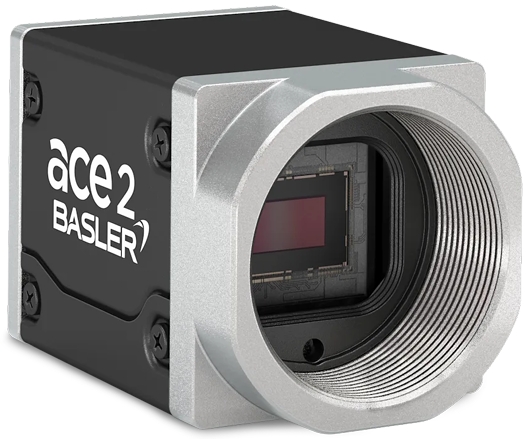
The platform's camera-agnostic architecture supports integration with:
The system automatically calibrates to different camera resolutions and frame rates, from standard 1080p industrial cameras to high-resolution 12MP imaging systems, ensuring optimal detection performance across diverse manufacturing environments.
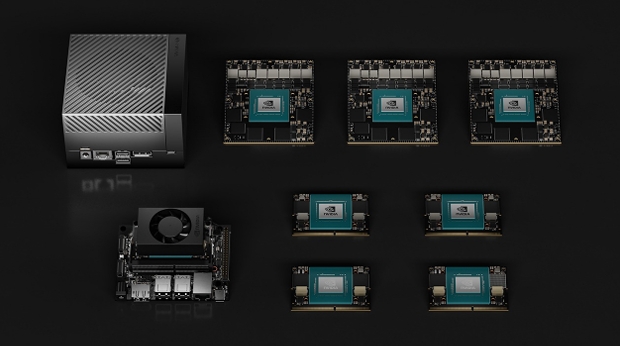
GPU-Accelerated Processing: Leveraging NVIDIA CUDA technology, the system processes images 50x faster than CPU-based solutions, enabling real-time defect detection at production speeds up to 10 meters per second.
Adaptive Confidence Thresholding: Machine learning models dynamically adjust detection sensitivity based on material type and surface finish, reducing false positives by 40% compared with fixed-threshold systems.
Edge-to-Cloud Architecture: The platform operates in three deployment modes:
Independent testing at leading automotive and aerospace manufacturers demonstrated:
The platform features a comprehensive REST API enabling seamless integration with manufacturing execution systems, enterprise resource planning platforms, and statistical process control software (e.g., Rockwell Automation’s Plex, Oracle’s NetSuite, and SCADA, respectively):
© 2026 Lantern, LLC. All rights reserved.

.svg)



.svg)

